


Latest News
【Interview】 Conveying the Scenery and Memories of Kesennuma Through Illustration (Stamp Illustrator Miharu Shirahata)
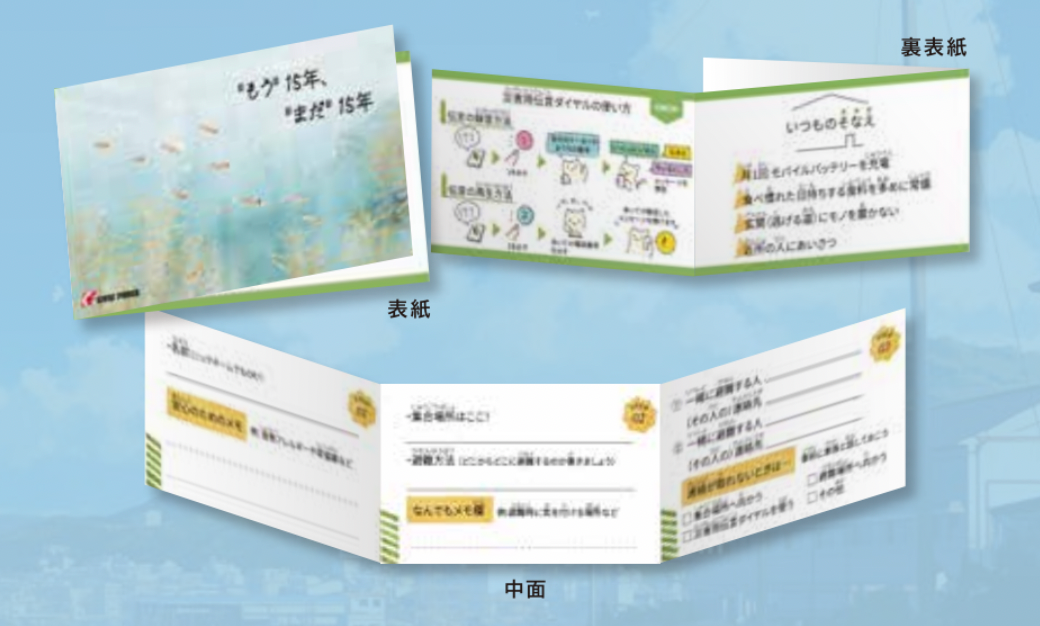
Marking 15 years since the Great East Japan Earthquake, Civic Force issued a special disaster preparedness card on March 20, 2026, as part of the open-call initiative "#My3.11: A Message Conveyed in 15 Characters" - aiming to build a disaster-resilient communities that transcends generations and regions.
A total of four versions of the disaster preparedness card have been designed, each featuring a combination of a 15-character message from the winning entries (Grand Prize, Excellence Award, and Youth Award) and an illustration by Miharu Shirahata, an illustrator based in Kesennuma City, Miyagi Prefecture.
Civic Force spoke with Ms. Shirahata who conveys the beautiful nature and charm of Kesennuma through her eraser stamp art. Ms. Shirahata shared about what inspired her to become an illustrator and the sentiments she pours into her work.
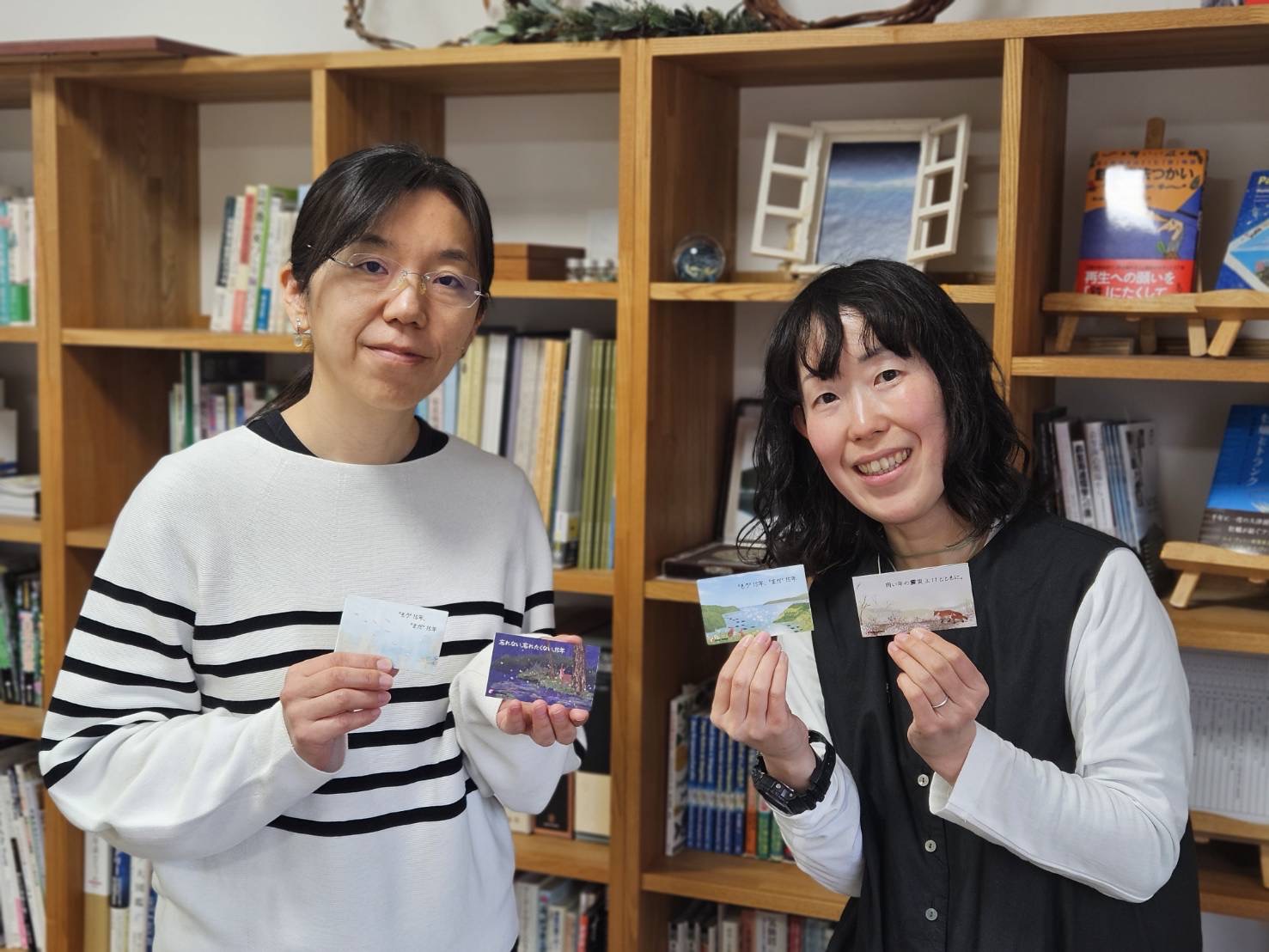
An illustrator based in Kesennuma, Miharu Shirahata (on the left)
About the NPO, Mori wa Umi no Koibito ("Forests Are the Sea's Sweetheart")
Established in 2009 and based in Kesennuma City, Miyagi Prefecture, “Mori wa Umi no Koibito”(Mori-Umi)is a non-profit organization dedicated to three areas, work reforestation, nature conservation, and the educational program for children, to understand the linkage between human and nature through hands-on experience. Following the Great East Japan Earthquake, Civic Force supported the organization through NPO Partner Projects focused on reconstruction and community development that engages with the sea, natural environment surveys, and initiatives to train leaders for experiential tours. Ms. Shirahata is a staff member at Mori-Umi and began stamp illustration after the earthquake in 2011.
Please tell us how you came to work as a stamp illustrator
The Great East Japan Earthquake served as a major turning point. In the aftermath of the disaster, power outages meant I could not use my printer. Amidst this situation, I found a large eraser, a utility knife, and some ink at my parents' house and began carving eraser stamps. Since Mori-Umi's official seal had been washed away by the tsunami, I started stamping a hand-carved design onto envelopes for our supporters to serve as a substitute for the official seal. My creative activities began with these eraser stamps featuring local specialties from Kesennuma - oysters, scallops, and seaweed.
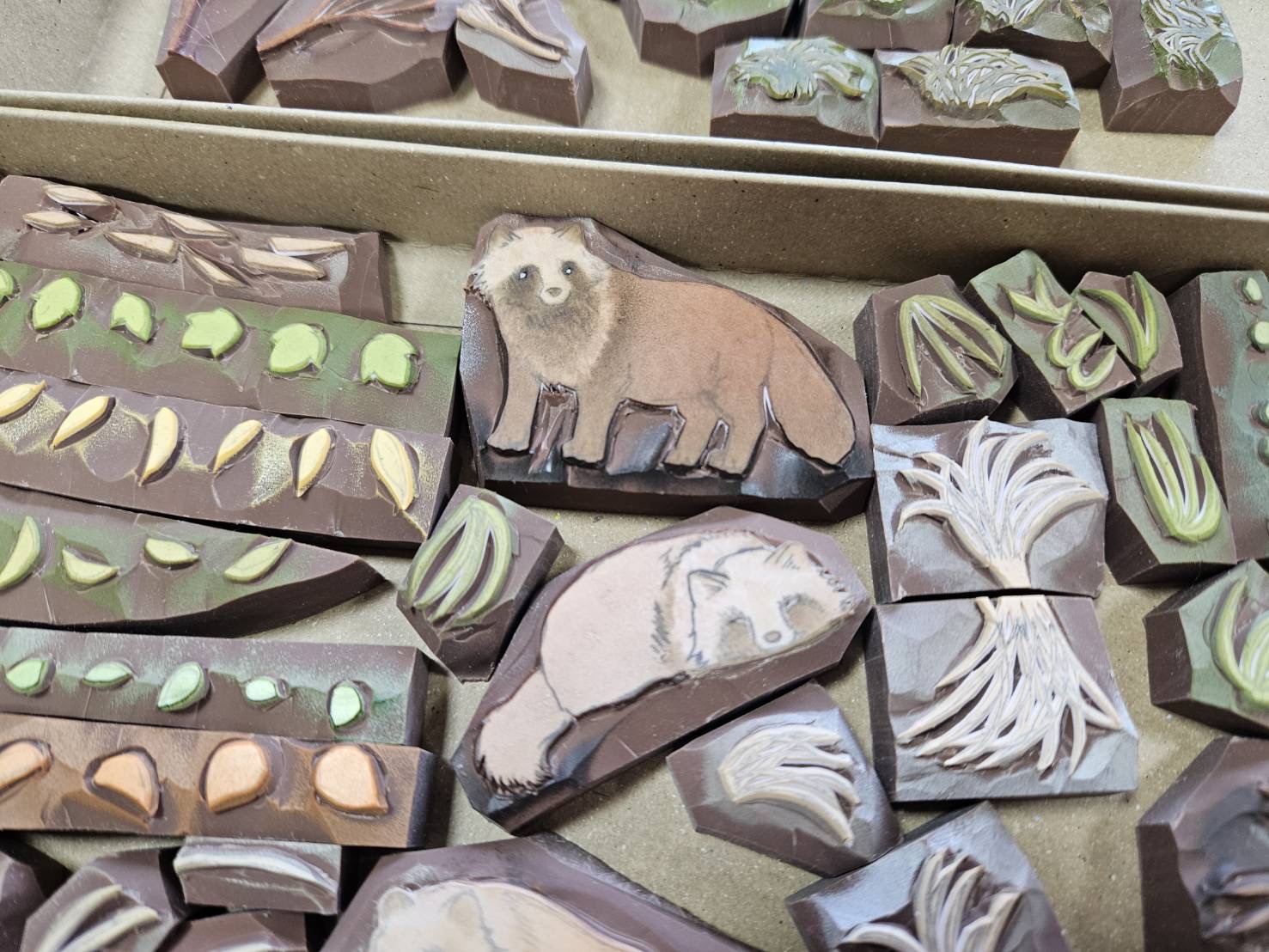
How has your personal experience of witnessing the changes in Kesennuma before and after the disaster has influenced your illustration work?
When I returned to Kesennuma after the disaster, I saw so much had been washed away and the buildings were gone. I was struck by an immense sense of shock, realizing that the familiar scenery I had always known was gone. Although the town gradually recovered, I sometimes heard elderly residents say this isn't the Kesennuma they knew. I hoped to provide some emotional support by creating illustrations that capture the rich natural beauty of Kesennuma and sharing that imagery with others. I, too, drew great strength from the natural scenery that remained unchanged.
Are you self-taught in stamp art? Could you tell us about your creative process and how long it takes to create a piece?
Yes, I taught myself. I think it took about two years to arrive at the method I use to create a complete landscape. It wasn't a technique I deliberately established but found that as each piece accumulated, they naturally came together to form a landscape. I feel that this process mirrors the recovery efforts following the disaster. Fifteen years have passed since the earthquake and tsunami, and while the city of Kesennuma has rebuilt, the landscapes depicted in my eraser-stamp illustrations have also become much richer.

Could you tell us about the subjects and themes of your work, as well as what you focus on during the creative process?
I’m driven by a desire to share the scenery I witnessed while growing up in Kesennuma. I make a conscious effort to capture the changing seasons.
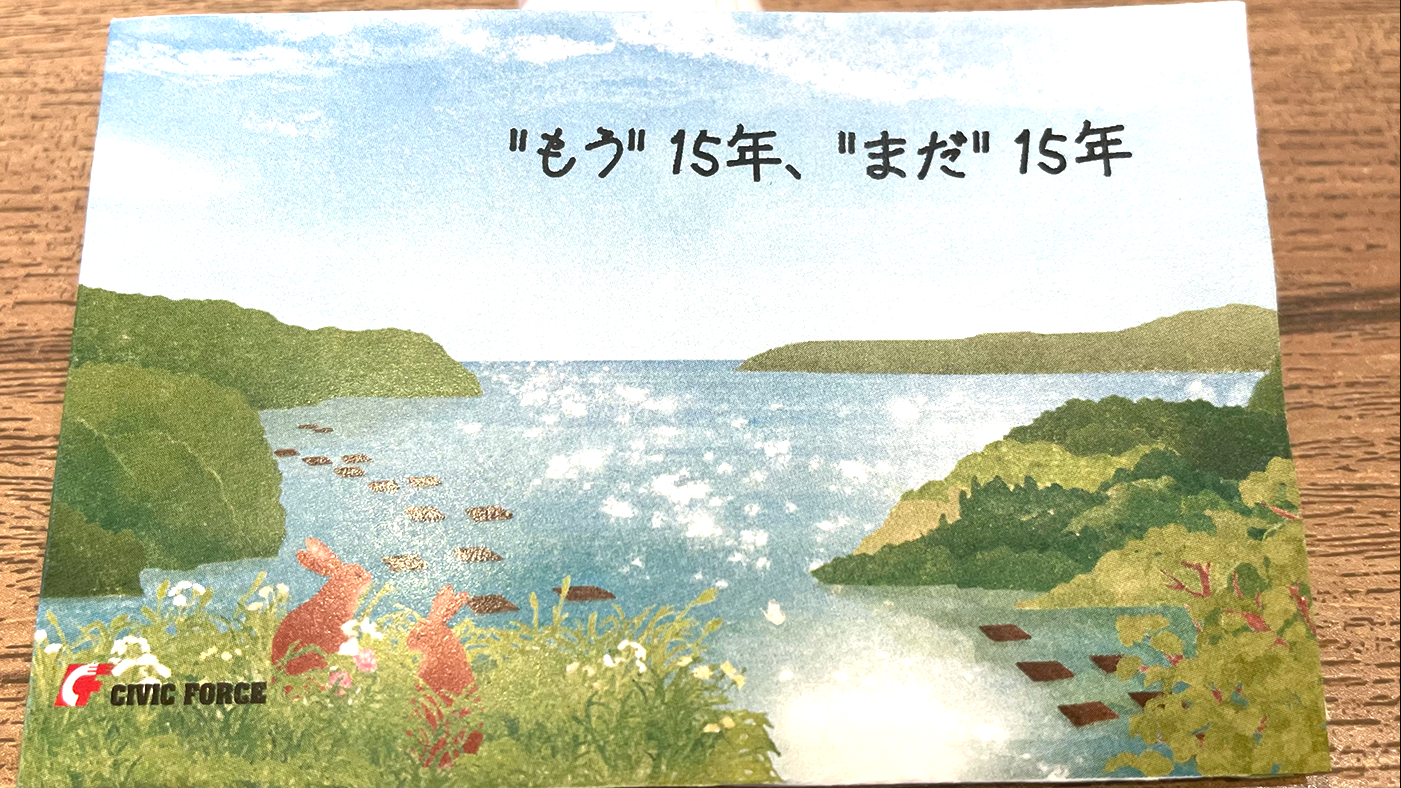
Each of your work features warm tones and depicts scenery that evokes a sense of nostalgia.
People from abroad have often told me the same thing. I think the images resonate with scenes or memories they already hold. When I lived overseas, I would sometimes encounter landscapes that looked like something out of a fairy tale, and each time, I was reminded of the beautiful scenery of Kesennuma. Those experiences deepened my attachment to my hometown, ultimately leading to the illustration work I do today. Since some of these landscapes can only be seen at specific times of the year, I hope that by sharing them as postcards, I can introduce them to people who have never visited Kesennuma and perhaps inspire them to come and see the place for themselves.
It has been 15 years since March 11. What are your thoughts and feelings now?
It’s hard to put into words, but the past fifteen years feel like they have flown by in the blink of an eye. I am particularly struck by how quickly the children have grown. I still vividly remember something a student said to me when I was working as a teacher at an elementary school in Kesennuma. “It’s not something we can take for granted…having water come out of the tap." My former students back then are now in their twenties, and a new generation that never experienced the disaster is growing up fast. I still carry the scars that the disaster left within me but that very fact drives my constant desire to cherish what I have right now.
You have four different illustrations for the disaster preparedness cards. Please tell us about the concepts and the sentiments you poured into each piece.
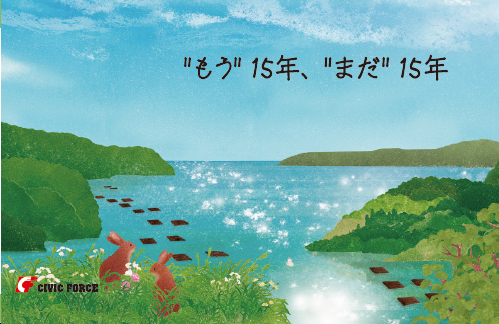
1. Rabbit: This original illustration, created to accompany the disaster preparedness card, captures spring - a season that holds special significance for the people of Tohoku.
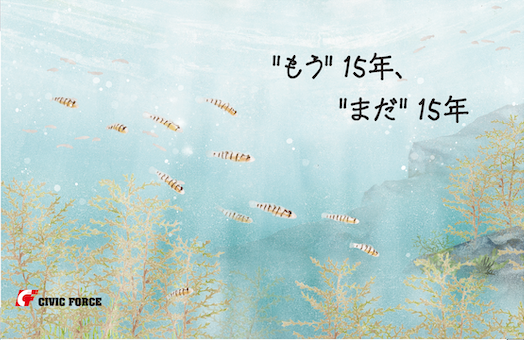
2. Fish: I painted a school of kinubari fish. They are native to Kesennuma Bay. After the earthquake and tsunami, when I spotted kinubari while debris still littered the seabed, I felt a profound sense of reassurance knowing they were there.

3. Deer: While fireflies were once a common sight everywhere, they have become rare in the urban areas of Kesennuma. Through the scene of a deer gazing at fireflies, this illustration symbolizes the sentiment of not forgetting and not wanting to forget something irreplaceable, as well as the desire to keep believing they exist somewhere, even if they remain unseen.
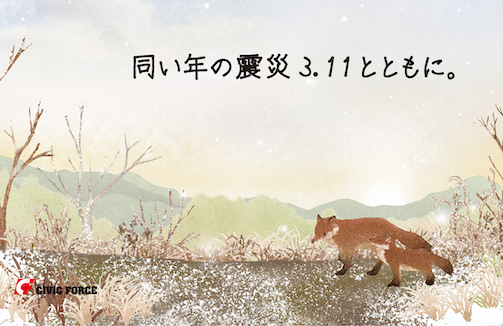
4. Fox: This piece captures the morning glow of a February day in Kesennuma. It was inspired by a time I actually saw animals walking amidst the winter sunrise.
Please tell us about your goals?
I’d like to continue working on the tasks right in front of me while cherishing the acts of conveying and connecting. Through my illustrations and my involvement with Mori-Umi, I hope to foster a broader awareness of the natural environment and share my deep feelings for the Tohoku region.
Latest News
-
News
News Letter Vol.40 (Extra Issue) is Now Available -July 2026 Kumamoto Earthquake: Emergency Assistance
-
News
【Kumamoto Earthquake 2026】 Camping Trailer Used in Areas with Water Access
-
News
【Kumamoto Earthquake 2026】 Safe Space for Women and Children - NPO Partner Projects
-
News
News Letter Vol.39 is Now Available -Emergency Assistance for Otsuchi Town Wildfire