


Latest News
【Interview】 Our Folklore Museum- Passing Down the Memories of Nuclear Accident
Odaka Ward in Fukushima Prefecture was forced to evacuate all its residents after the nuclear accident on March 11, 2011. In the summer of 2026, Odaka Ward will mark 10 years since the lifting of the evacuation order in 2016. In April 2026, as part of Civic Force's NPO Partner Projects, Civic Force began supporting Oretachi no Denshokan (Our Folklore Museum), a private art museum.
Civic Force spoke with the Museum director and staff member about their activities and future plans.
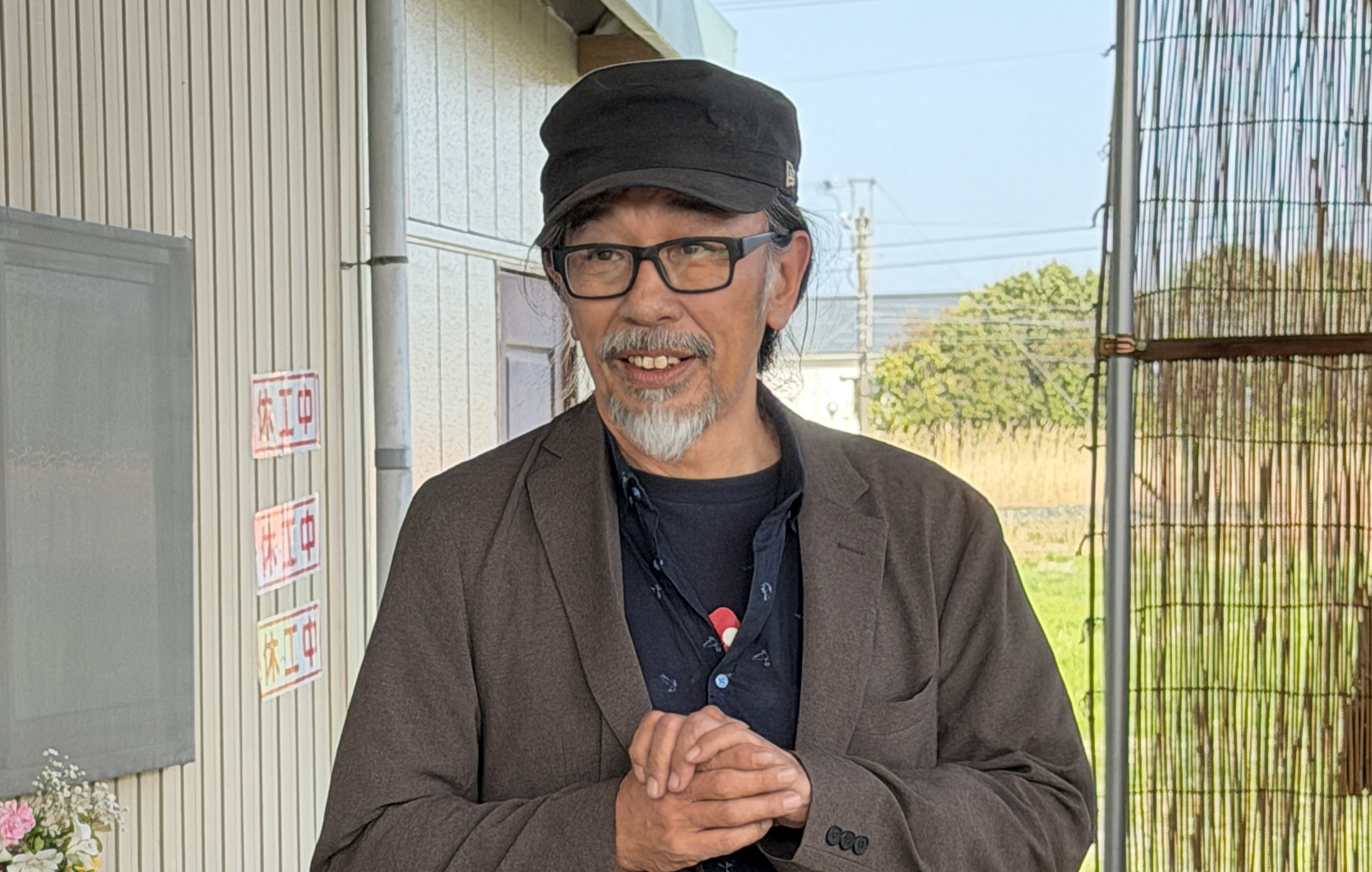
Please tell us about Oretachi no Denshokan
The museum is a permanent memorial art museum that preserves the memories of the Great East Japan Earthquake and the Fukushima nuclear disaster. It is a DIY, handmade museum created with the local residents, and its permanent exhibition displays about 100 items, including works by about 25 artists. The artists are diverse and include professional artists to former nuclear power plant workers and housewives.
Our art collection primarily focuses on the absurdity of the nuclear accident and the memory of life, and in addition to our permanent exhibitions, we have also implemented numerous projects and events aimed at reconnecting people and communities.
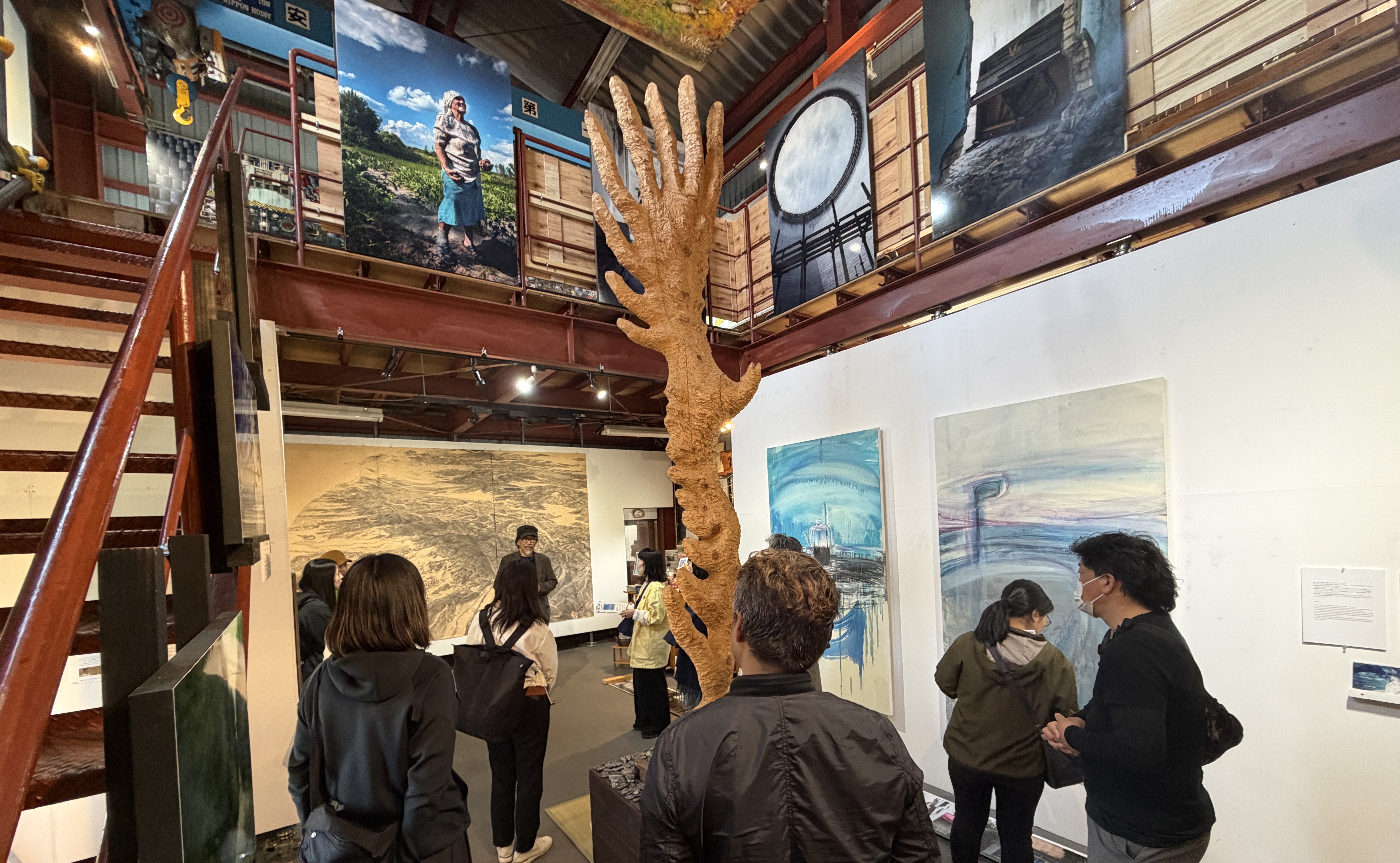
Civic Force visited the mueseum and we saw various artworks from painting, photography, and sculptures. They are all visually captivating
Upon entering the museum, visitors are immediately struck by the sculpture called Phoenix and the gigantic ceiling painting, Shining Life. Both artwork are situated in the open atrium. Shining Life depicts cows, horses, and the ocean that died after the nuclear accident, as well as Pegasus and people who are still alive today. Although created by different artists, their presence together in this space seems to enhance the impact they bring to people.
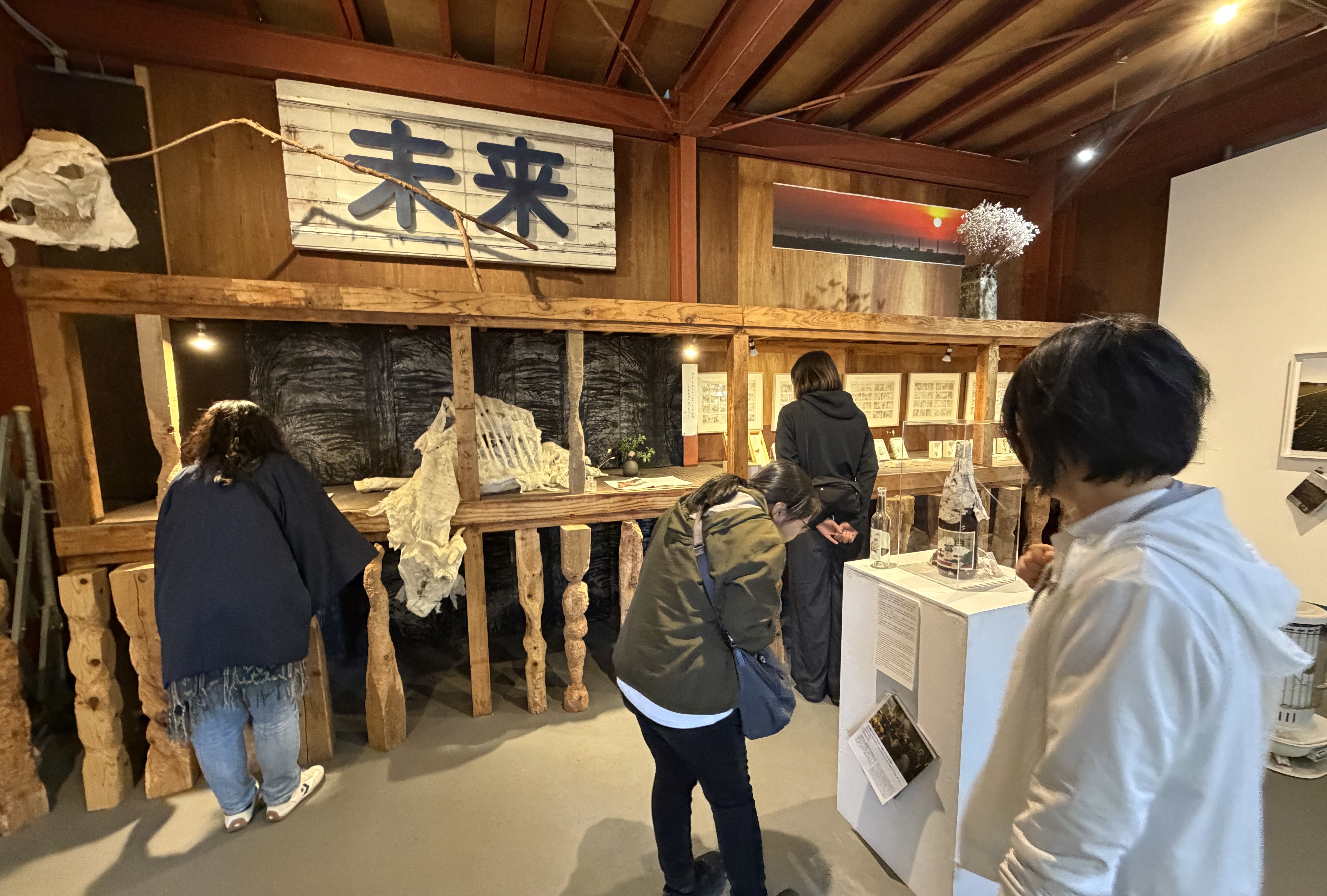
There is also a three-dimensional sculpture made of washi paper, recreating calves that were left behind in the restricted zone and starved to death, gnawing on the pillars of cowsheds. By expressing the events that actually happened in Fukushima through art, we hope to convey them not merely as a record, but as an experience that reaches the emotions and physical sensations among our visitors.
Mr. Nakasuji, you are not only the museum director but also a photographer. What kind of activities you've been involved in up until now led to the establishment of the museum?
As a magazine editor, I created travel guides and other publications. But in 2007, I visited Chernobyl for the first time and was shocked by the landscape that had remained frozen in time for over 20 years.
After that, I continued to visit the area and was preparing to publish the photos I had taken in Japan when the Fukushima nuclear disaster occurred in 2011. I started commuting from Tokyo to Fukushima, and I took photos of the deserted towns where animals, plants, and insects swarmed, and where serious problems existed beneath the seemingly peaceful scenery.
Since 2016, I’ve held traveling photo exhibitions at 50 locations across the country.

It’s been two years since the opening of the museum. Please tell us about people who visit the museum.

Since opening in 2023, the museum has welcomed over 8,000 visitors by March 2026. We have received feedback and comments "There are facts that are not reported in the media," "I was curious about this museum and decided to visit," and "I was able to interact with local people," which are a great encouragement for us to continue operating the museum.
The museum used to be a warehouse and it was renovated with support from local residents. We wanted the place to be lively where local people can easily drop by. Recently the museum has been used for workshops and events for local communities.
Children born on the day of the 2011 nuclear accident are now high school students. Some high school students visit the museum on field trips. As the number of people who have no memory of that time increases, I feel the need to pass on the lessons learned to the younger generation.
What would you like to achieve through the NPO Partner Projects?
In order to establish the Folklore Museum's activities as a community hub and ensure their long-term sustainability, it is essential to increase visitor numbers, deepen relationships with local residents, cultivate future leaders, and establish a stable operational foundation. Currently, our city is experiencing population decline and an aging population, leading to a serious shortage of people to carry out community activities. However, we plan to increase opportunities for local residents and younger generations to get involved and create a system to pass on these activities to the next generation.
In our partner project, we plan to hold more workshops and events that serve as a place for local residents to share their stories. We also want to strengthen our public relations efforts by including publications in the city's newsletter and local community bulletin boards, expanding our website and social media presence, and increasing the number of locations where print materials can be placed.
I hope that by deepening our understanding of the earthquake and nuclear accident, everyone will be able to view 3.11 as something that also matters to them personally.
Latest News
-
News
News Letter Vol.40 (Extra Issue) is Now Available -July 2026 Kumamoto Earthquake: Emergency Assistance
-
News
【Kumamoto Earthquake 2026】 Camping Trailer Used in Areas with Water Access
-
News
【Kumamoto Earthquake 2026】 Safe Space for Women and Children - NPO Partner Projects
-
News
News Letter Vol.39 is Now Available -Emergency Assistance for Otsuchi Town Wildfire